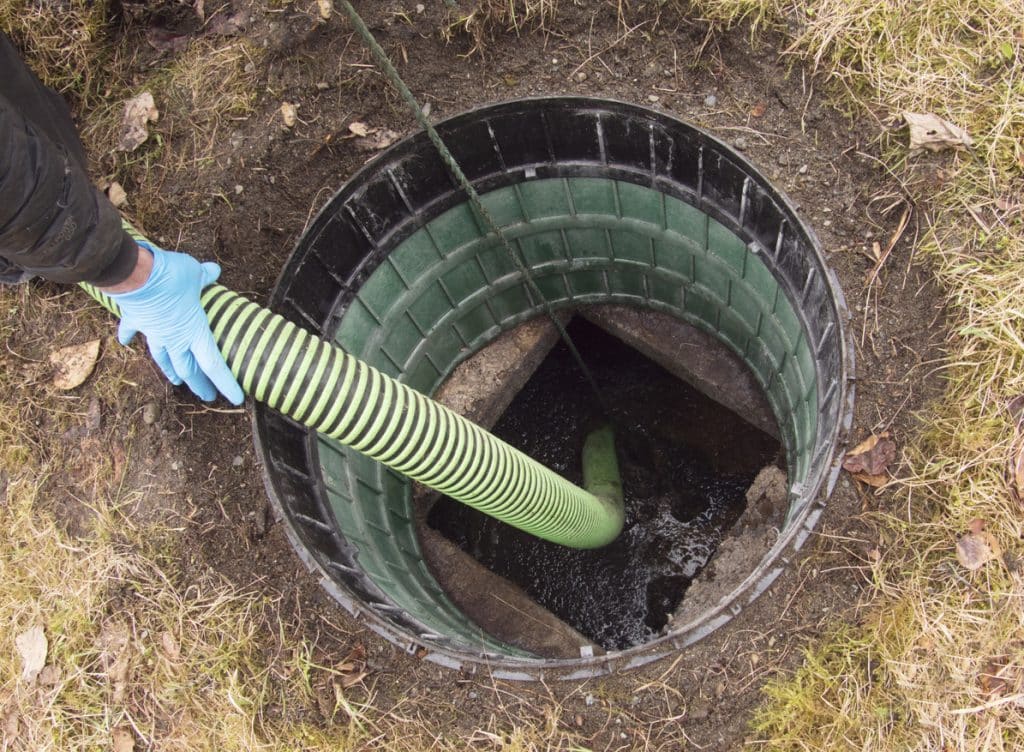
Septic Tank Pumping Service

When your septic system needs attention, time isn’t on your side. At Sewer Solutions, our Septic Tank Pumping Service is designed to prevent backups, protect your property, and keep your system running efficiently. Whether you’re on a regular maintenance schedule or dealing with a full tank, we make sure the job gets done fast — and done right.

From residential homes to rural businesses, we provide professional septic pumping solutions that prevent major headaches down the line. No delays, no mess — just reliable, expert service you can count on.

REQUEST A FREE QUOTE

Reliable Solutions for “Septic Tank Pumping Near You”
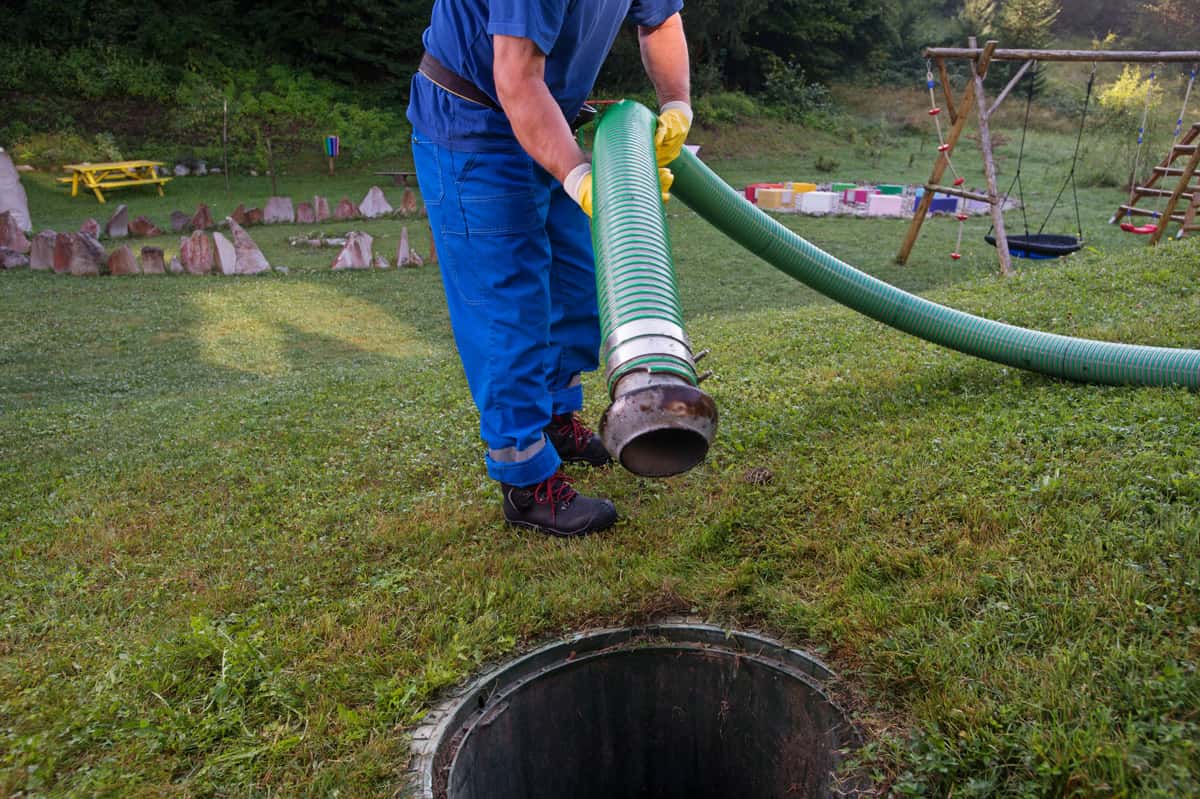
Septic Tank Pumping Service

Looking for septic tank pumping near me shouldn’t mean calling around endlessly or waiting days for help to arrive. We’ve built a state-wide network of certified professionals so you get fast, local service — no matter where you are in Louisiana.

We match you with a licensed technician who knows your area, your soil conditions, and your system type. Whether it’s a simple pump-out or a more complex issue, your technician arrives ready to handle the job — safely, efficiently, and in compliance with all local codes.

Understanding the Full Scope of Septic Tank Pumping Services

Our septic tank pumping services go beyond just emptying the tank. We inspect your entire system to identify issues before they become costly repairs.

From sludge buildup and clogs to broken baffles or overfull tanks, we handle it all with precision. Regular septic pumping helps you avoid nasty backups, foul odors, and expensive system failures — making it one of the smartest preventative moves you can make as a homeowner or property manager.

We serve homes, farms, businesses, and multi-property landlords with tailored solutions that fit your tank size, usage, and schedule.

Why a Timely Septic Tank Pump Out Matters

A septic tank pump out isn’t just routine maintenance — it’s essential protection for your property and the environment. Neglecting this service can lead to slow drains, sewage backups, and even groundwater contamination.

Our technicians use industry-grade vacuum equipment to fully evacuate solids and sludge from your tank. Then, we rinse and inspect the tank’s interior to confirm proper operation and structural integrity. If any red flags are spotted, we notify you immediately and provide transparent recommendations — no upselling, just honest advice.

Septic Tank Pumping Service

Choosing the Right Septic Tank Pumping Company

Not all providers are created equal. When you search for a septic tank pumping company, what you really want is someone who shows up on time, does the job right, and treats your property with respect.

That’s where Sewer Solutions stands apart. We partner only with licensed, insured, and background-checked professionals who meet our service standards. Whether your property is rural or suburban, residential or commercial, we’ll match you with a specialist who can get in, pump it out, and leave everything clean and operational.

You get straight talk, fair pricing, and no hidden fees.

About Sewer Solutions

At Sewer Solutions, we deliver septic and sewer services the right way — with licensed experts, clear communication, and statewide reach. Our platform connects you with certified professionals who know your area and take pride in their work.

We’re not a giant call center or a random contractor directory — we’re a curated network of Louisiana’s most trusted sewer and septic pros.

Why work with us?

  • Trusted statewide network of licensed professionals
  • Fast response times with real support (no bots)
  • Competitive, upfront pricing with no surprises
  • We don’t just get the job done — we get it done right

Whether you’re maintaining a home, managing a property, or dealing with an emergency, Sewer Solutions makes septic service simple and stress-free.
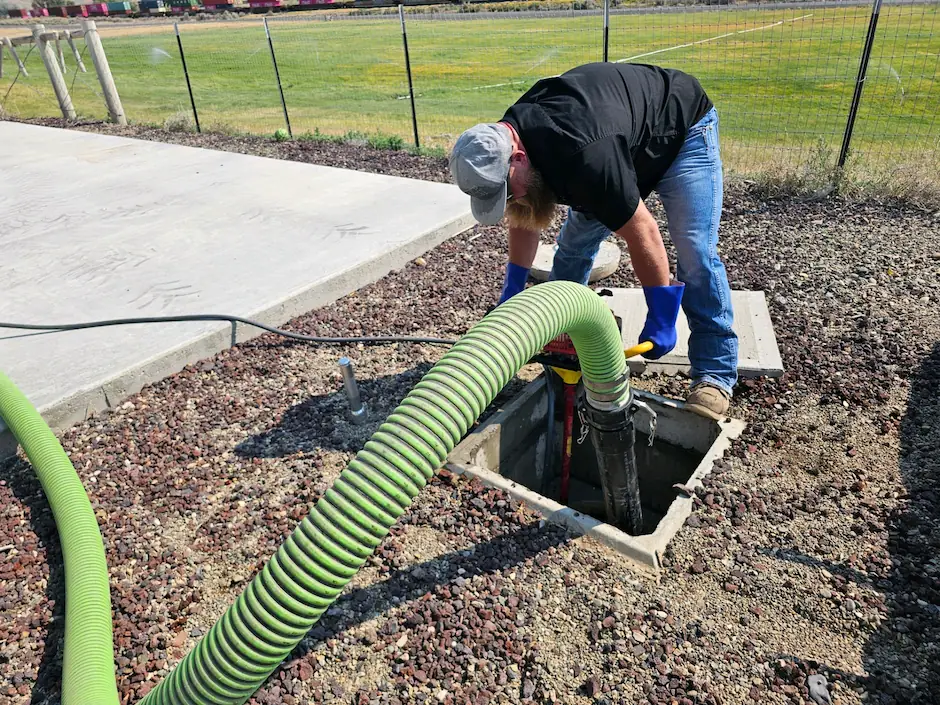
Septic Tank Pumping Service

How Often Should You Schedule Septic Pumping?

While most septic tanks need to be pumped every 3–5 years, usage, household size, and tank size can shorten that window. If your drains are slowing, odors are present, or it’s been a few years since your last service — it’s time to schedule a pump-out.

Our team can help you set up a custom maintenance schedule that ensures you never miss another service. You can even book recurring appointments, so you don’t have to think twice about it again.

TESTIMONIALS

Our Client Feedback & Best Review For Us.

Sarah M
I had a major sewer backup and needed urgent help. The team arrived quickly, diagnosed the issue, and had it fixed in no time. Super professional and explained everything clearly. Highly recommend their sewer services!
James R
They didn’t try to upsell me or scare me into unnecessary repairs. Gave a fair quote and stuck to it. You can tell they care about doing the job right. Trustworthy sewer repair company!
Tina H
We had a sewer line break late at night and they were the only company available. They showed up promptly, handled the mess with care, and got everything flowing again. Excellent 24/7 service.
Mark D
From the moment I called, the staff was courteous and informative. The techs were respectful of my property and cleaned up after the job. You wouldn’t even know they were here – except the sewer works perfectly now!
LET'S GET STARTED

Schedule Your Septic Tank Pumping Today

Don’t wait for a disaster. If it’s been years since your last pump-out — or you’re not even sure when it was — now’s the time to act. A quick septic pumping today can save you thousands in repairs tomorrow.

Let Sewer Solutions connect you with a top-rated, local septic expert. We’ll get the job done fast, clean, and to code — guaranteed.

"*" indicates required fields

Select all the problems you are experiencing with your sewer system:*
This field is hidden when viewing the form
When was the last time the septic tank was cleaned out?*

Many modern sewer systems, including ATUs, come with alarms that notify you of issues such as low air pressure or system malfunctions. If your alarm goes off:

  1. Do not ignore it. The alarm is designed to alert you to problems that may need professional attention.
  2. Contact a professional: Reach out to a licensed service provider or installer to inspect the system and perform necessary maintenance.

Recognizing the early signs of a failing sewer system can help you avoid costly repairs and health hazards. Look out for these common indicators:

  • Slow drains: If your sinks, showers, or toilets drain slowly, it may indicate a clog or backup in your septic system.
  • Unpleasant odors: Foul smells around the drain field, septic tank, or inside your home could mean there is a problem with the system.
  • Standing water or wet spots: If you notice soggy patches of ground near the septic tank or drain field, this could be a sign of overflow or system failure.
  • Backed-up sewage: A severe backup of sewage inside the house is a major red flag that your septic system is malfunctioning and needs immediate attention.
  • Lush green grass over the drain field: If the grass over your drain field is unusually green and lush, it may indicate an excess of untreated wastewater.

If you notice any of these symptoms, it’s important to call a professional sewer service provider for an inspection and possible repair.

As a sewer system owner, there are a few key responsibilities to ensure your system works properly and lasts longer:

  • Keep the area clear: Avoid placing vehicles, heavy equipment, or structures over your septic tank or ATU. Roots or pests (like fire ants) should be kept away from the system.
  • Monitor the system: Regularly check the system’s operation and make sure the control panel is functioning properly. If your system has an alarm, ensure it’s working and responds to malfunctions.
  • Avoid overloading: Use water efficiently, and avoid flushing non-biodegradable items or harmful chemicals (like bleach or disinfectants).
  • Professional service only: Always have licensed professionals perform inspections and repairs. Unauthorized servicing can cause damage or void your warranty.

Many modern sewer systems, including ATUs, come with alarms that notify you of issues such as low air pressure or system malfunctions. If your alarm goes off:

  1. Do not ignore it. The alarm is designed to alert you to problems that may need professional attention.
  2. Contact a professional: Reach out to a licensed service provider or installer to inspect the system and perform necessary maintenance.

The frequency of sewer system pumping depends on the type of system you have and how much water your household uses. Here are some general guidelines:

  • Septic tanks: Pump every 3-7 years, depending on your water usage and the size of your tank.
  • Aerobic Treatment Units (ATUs): These systems typically require less frequent pumping due to their more efficient treatment, but you may still need to pump every 5-10 years or as needed.


Regular maintenance checks are crucial. If you notice odors, slow drainage, or unusual discharges, it may be time for an inspection or pump-out.

For your sewer system to function efficiently, it’s important to use only approved products. Here’s a list of safe items for your system:

  • Household cleaners: It’s safe to use household cleaners in moderation, provided they follow the directions on the label. Avoid excessive use, especially with bleach or harsh chemicals.
  • Toilet paper: Only use biodegradable toilet paper designed for septic systems.
  • Laundry detergent: Use sewer-safe detergents in recommended amounts.


However, certain products should never go into your sewer system, including:

  1. Large amounts of bleach or disinfectants that kill bacteria
  2. Feminine hygiene products, diapers, and other non-biodegradable items
  3. Cooking oils, grease, coffee grounds, or shrimp shells
  4. Chemical drain cleaners
  5. Plastics, rubber, and large paper products


These items can harm the system’s bacteria or cause blockages, reducing efficiency and increasing maintenance needs.

Both Aerobic Treatment Units (ATUs) and septic tanks treat wastewater, but they use different methods:

  • Septic Tank: A septic tank relies on anaerobic bacteria (bacteria that do not require oxygen) to break down waste. The wastewater is held in the tank where solids settle, and liquids are filtered out. Over time, sludge builds up at the bottom of the tank, requiring periodic pumping.
  • Aerobic Treatment Unit (ATU): An ATU uses aerobic bacteria (bacteria that require oxygen) to break down organic waste. Air is pumped into the unit, promoting a more efficient biological process. This method results in cleaner effluent (treated wastewater) and often requires less frequent pumping.


Key Differences:

  • Aerobic systems (ATUs) are generally more efficient, producing cleaner treated water and requiring less maintenance.
  • Septic tanks are simpler but can require more frequent pumping and can produce less treated effluent.

"*" indicates required fields

Select all the problems you are experiencing with your sewer system:*
This field is hidden when viewing the form
When was the last time the septic tank was cleaned out?*

"*" indicates required fields

Select all of the problems you are experiencing with your sewer system.*

"*" indicates required fields

What best describes this project?*